Ask three web designers what a website costs and you will get three very different numbers. One says £500, another £3,000 and a third will not name a figure until you have had a meeting. It is no wonder business owners find this frustrating.
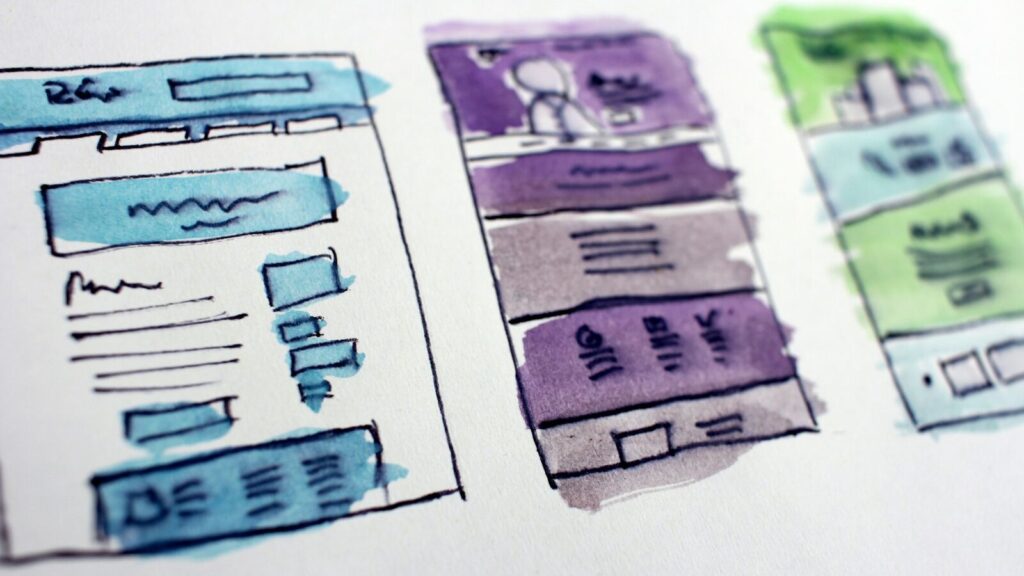
The differences are real, and mostly come down to how the site is built and how much of someone’s time goes into it. This guide explains the main options, what published UK price guides say they cost in 2026, and where our own prices sit.
Table of Contents
The short answer
A small business website in the UK can cost anything from a few pounds a month, if you build it yourself, to £10,000 or more for a fully bespoke agency project. Most small businesses need something in between: a professional, fast site of five to ten pages that explains what they do and brings in enquiries.
The three ways to get a website
1. Build it yourself
Website builders such as Wix and Squarespace charge a monthly fee. Price guides for 2026 put typical plans at roughly £10 to £50 a month, with free plans available if you accept adverts and a web address that is not your own.
The cost is low but your time is not free. Expect to spend several evenings on it, and be honest with yourself about the result. A site that looks home-made can cost you more in lost enquiries than you saved.
2. Hire a freelancer or small studio
This is where most small businesses end up, and where prices vary most. Startups.co.uk puts a basic site from a web designer at around £300 to £1,000. Other 2026 guides quote £1,500 to £3,000 for a five-page brochure site from a freelancer.
The gap is explained by approach. A site built on WordPress with a well-made theme, adapted to your brand, takes far fewer hours than one designed from a blank page. For most small businesses the first approach gives a result customers cannot tell apart from the second.
3. Hire an agency
Agencies typically start at around £3,000 and go well beyond £10,000 for larger projects. You are paying for a team, a custom design, project management and often strategy or copywriting. For a business with complex needs that can be money well spent. For a plumber, a café or a consultancy that needs a clear site and a contact form, it is usually more than the job requires.
What pushes the price up
- Number of pages. Each page needs content, layout and testing.
- Custom design. Original design work is the single biggest cost.
- Online shop. Products, payments, delivery rules and stock all take time to set up.
- Special features. Booking systems, member areas and links to other software.
- Content. Professional copywriting and photography are often quoted separately.
- SEO. Basic on-page optimisation should be included. Ongoing search engine optimisation is a separate service.
The costs people forget
The build is only part of what a website costs. Ask about these before you agree to anything.
- Domain name. A .co.uk address typically costs £10 to £30 a year. Make sure it is registered in your name, not your designer’s.
- Hosting. Every site needs it. Cheap hosting is often slow, and slow sites lose visitors and rankings.
- Maintenance. WordPress, plugins and themes need regular updates and backups. One 2026 price guide suggests budgeting £50 to £200 a month if this is not included. Skipping it is the most common reason sites end up hacked, as we explain in why WordPress websites get hacked.
- Email. Mailboxes on your own domain are usually a separate cost.
- Changes. Find out what small edits will cost after launch, or whether you can make them yourself.
What we charge
We publish our prices because we think you should know the figure before you pick up the phone.
- WordPress website: £650. Five pages, a blog and a contact form.
- E-commerce website: £850. Everything above, plus an online shop.
Both include one year of hosting and a domain name. Email is not included. The hosting is on optimised LiteSpeed servers with a content delivery network and caching, weekly backups, and plugin and theme updates. Full details are on our pricing page.
We can charge less than many because we build on WordPress with a lightweight, proven framework instead of designing every site from nothing. The time saved goes into the things that affect results: page speed, clear content and on-page SEO. You can see examples in our portfolio.
When you should pay more
A fixed-price package is not right for everyone, and it would be wrong to pretend otherwise. Expect to pay more, from us or anyone else, if you need:
- a design created from scratch around a detailed brand
- a large shop with hundreds of products or complex delivery rules
- online booking, membership or links to stock or accounting systems
- many more than five pages, or content written for you
In those cases we quote for the work involved after talking it through.
Questions to ask before you buy
- Who owns the domain name and the website when it is finished?
- Is hosting included, and what does it cost after the first year?
- Who updates the site and takes backups?
- Can I edit the content myself?
- How fast will it load on a phone?
- What happens if I want to move to another provider?
A good designer will answer all six without hesitating. If you would like our answers, or a quote for something beyond the standard packages, contact us. You can also read more about how we work on our WordPress web design page.
Photo by Hal Gatewood on Unsplash.